We all know that finding the perfect fit in anything can be an intense and sometimes frustrating process. So today, you can consider me that excellent department store worker who knows exactly what you need.
First, what is a CMS?
- CMS stands for content management system.
- CMS is a software application or set of related programs that are used to create and manage digital content.
- Using CMS means you don’t have to build a website from scratch (ie. having to write all the code).
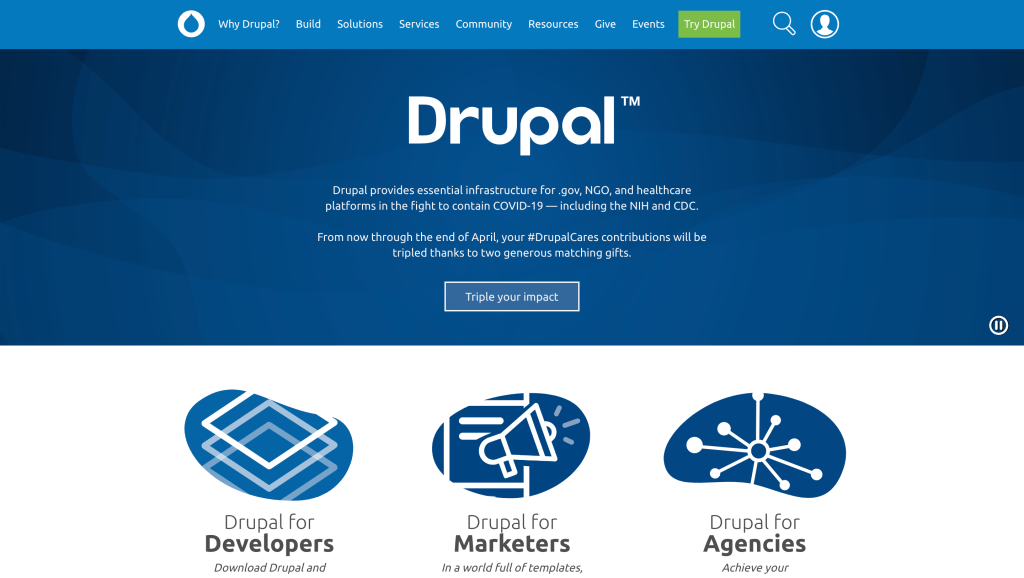
Drupal
I signed up for Drupal and tested it out because I had heard it had a good balance of ease of use plus its thoroughness offered intricacies others might lack. This what I found.
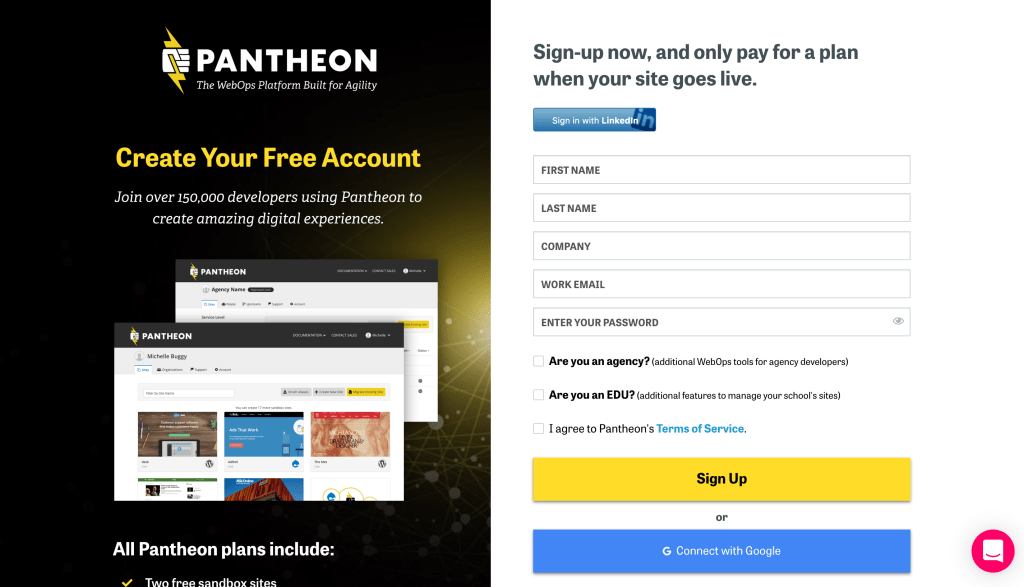
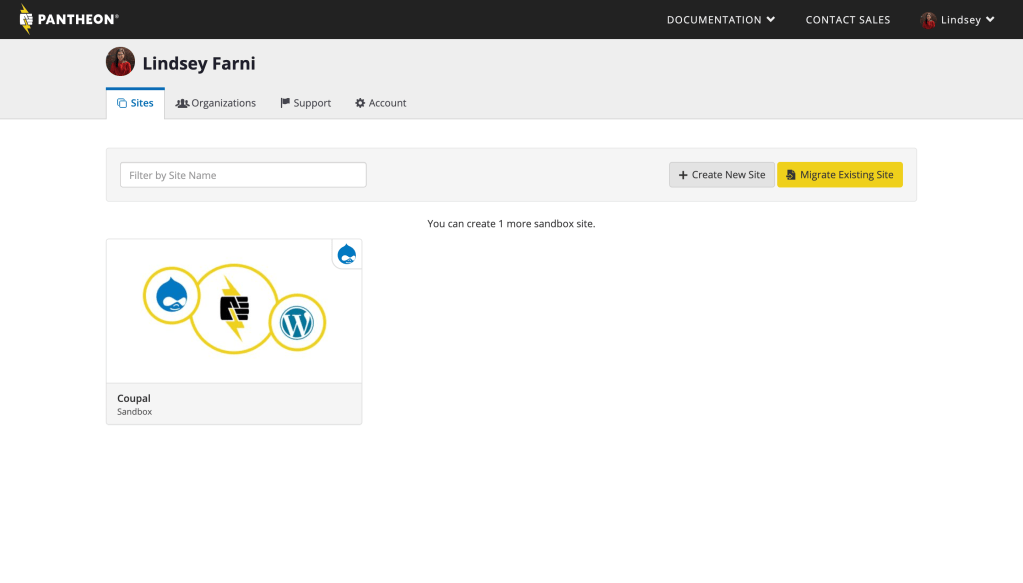
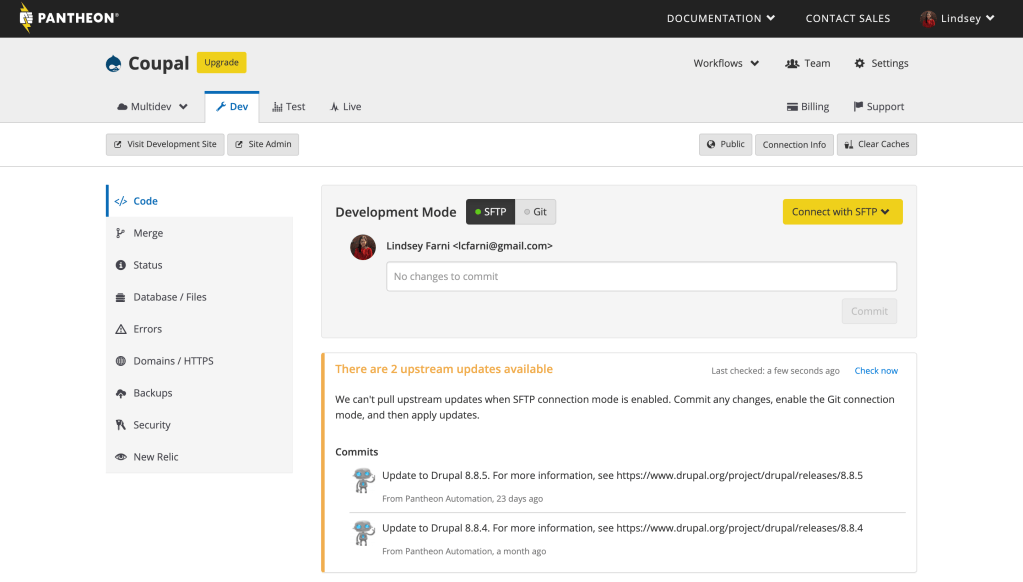


I named my site “Coupal” and I decided to go with Drupal’s Pantheon WebOps platform.
I was pleased with how much editing, development, and options Drupal offered. Immediately, you feel overwhelmed with choices. However since this will definitely intimidate new users, they do offer a Quick Start guide that is very useful. They also have a Support tab where you can reach out to their team with questions.
Overall, I think Drupal has everything you need but at the cost of learning how to use and integrate it.
| Pros | Cons |
| Offers a variety of options and tools; good for more complex websites | Can be difficult to learn |
| Has two different WebOps platforms: Pantheon and Acquia | Deciding which platform is best for you |
| Free but… | Could cost more later on depending on if you pick Acquia |
| Frequent updates provide strong security features | No backwards compatibility. Upgrading is the only way (Drupal 9 to 8, for example) which takes more time and work |
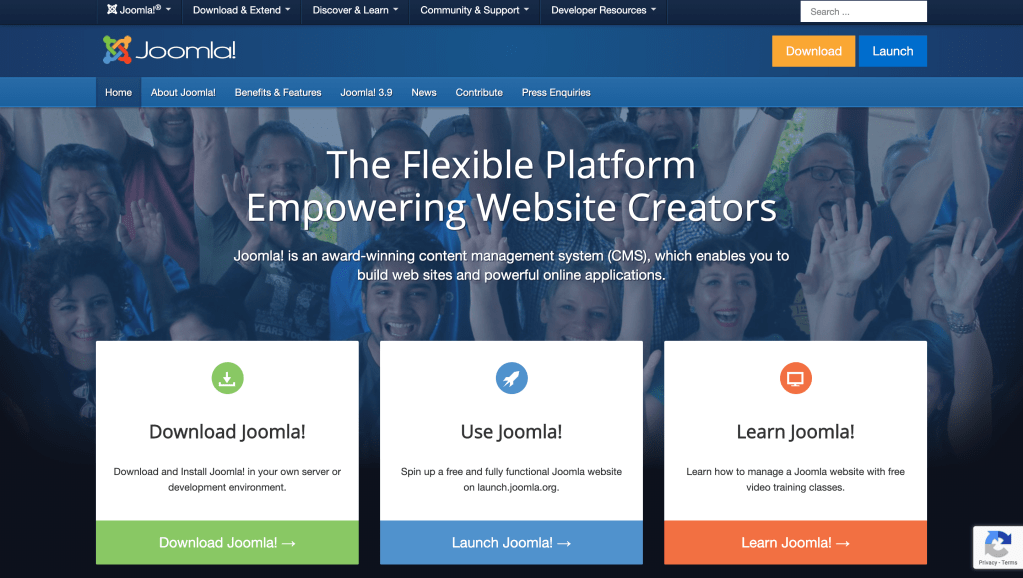
Joomla!
I ran into some trouble when I tried to sign up for Joomla!. I wasn’t able to try their free demo site due to a domain error. So, I googled and I found someone who had! Thank you The Internet.
Alex Smirnov wrote this article about signing up with Joomla!.
Here is what he found.
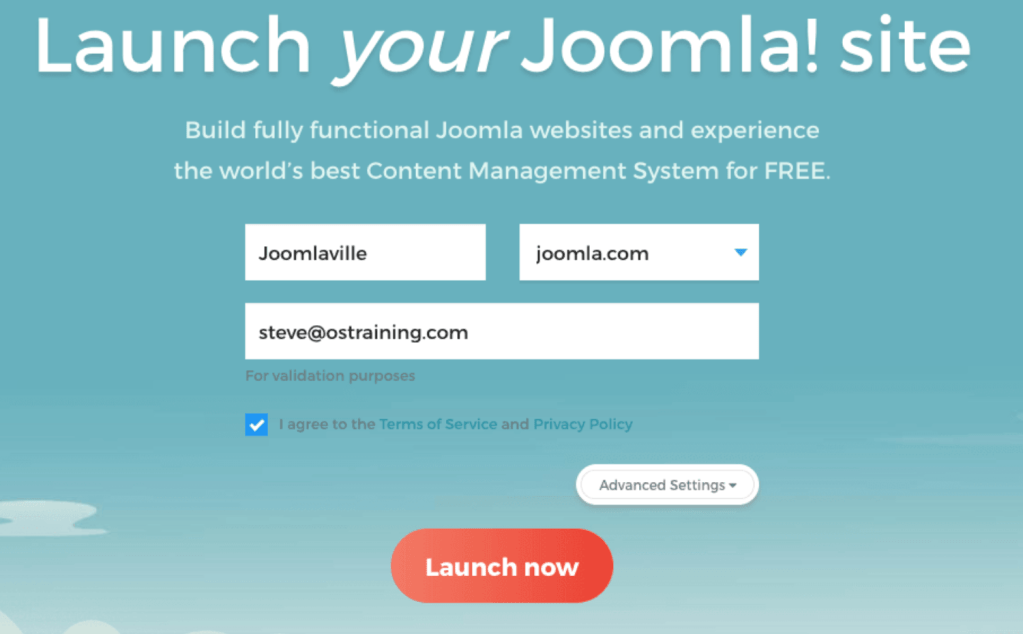
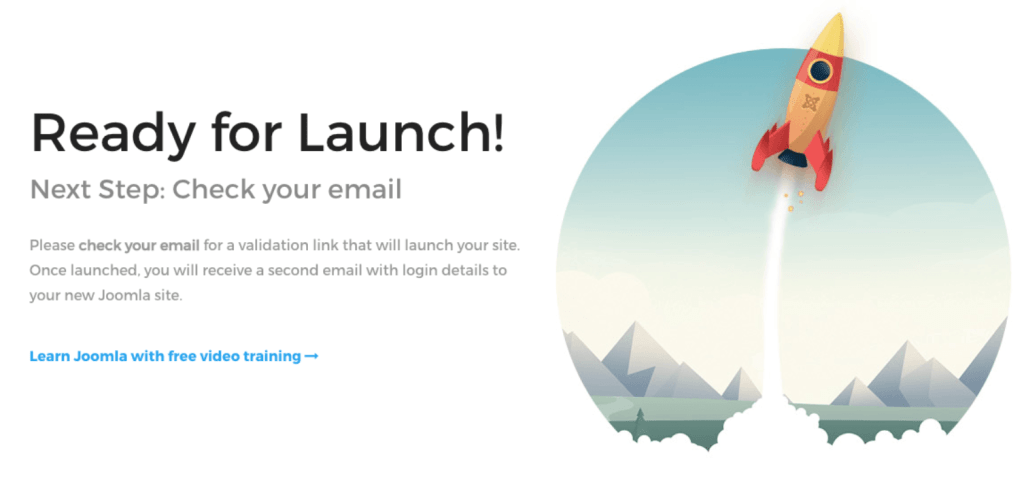
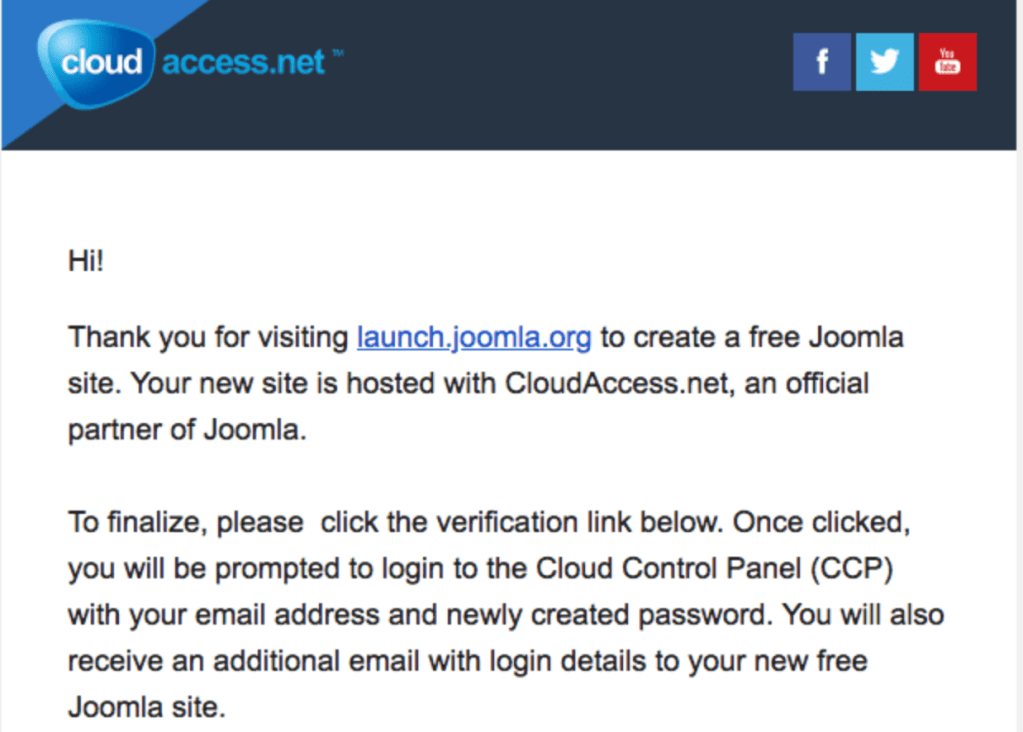
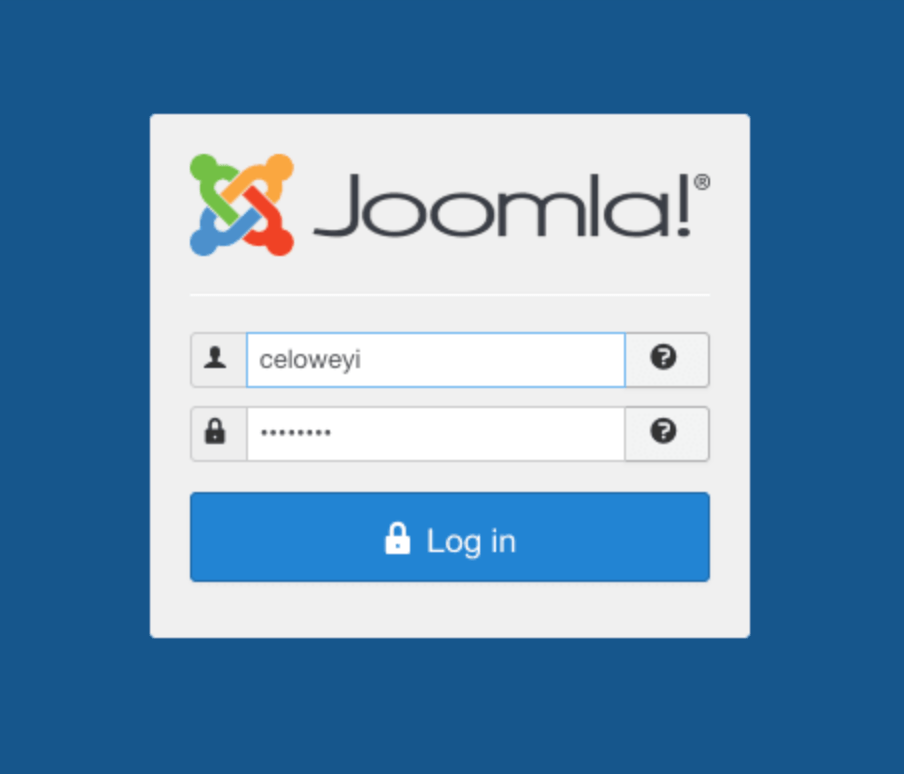
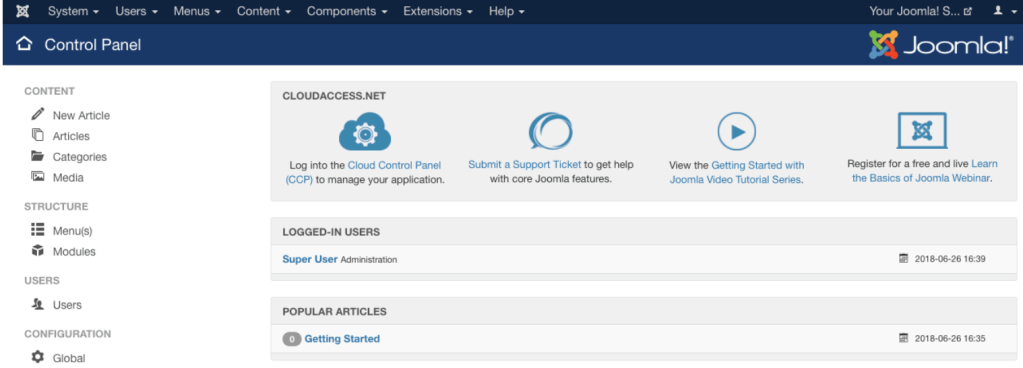
It is important to note that these pictures are a little out of date (2018) so Joomla! has changed their appearance since then.
Joomla! is set up with easy instructions to follow and use. This site does not integrate all whistles and bells that Drupal does; however, Joomla! definitely has enough to get the job done.
It is also nice that Joomla! offers Getting Started Tutorials.
Overall, I think Joomla! is less complex in terms of learning interface when compared to Drupal but still has enough editing content and structure flexibility that leaves enough room to incorporate your own custom design.
| Pros | Cons |
| Joomla! is open-source, meaning you don’t worry about licensing fees | Has a limited marketplace for additional modules and add-ons |
| Easy to use/Free but… | Have to navigate through paid plugins |
| Still complex enough for developers | Limited number of free templates |
WordPress
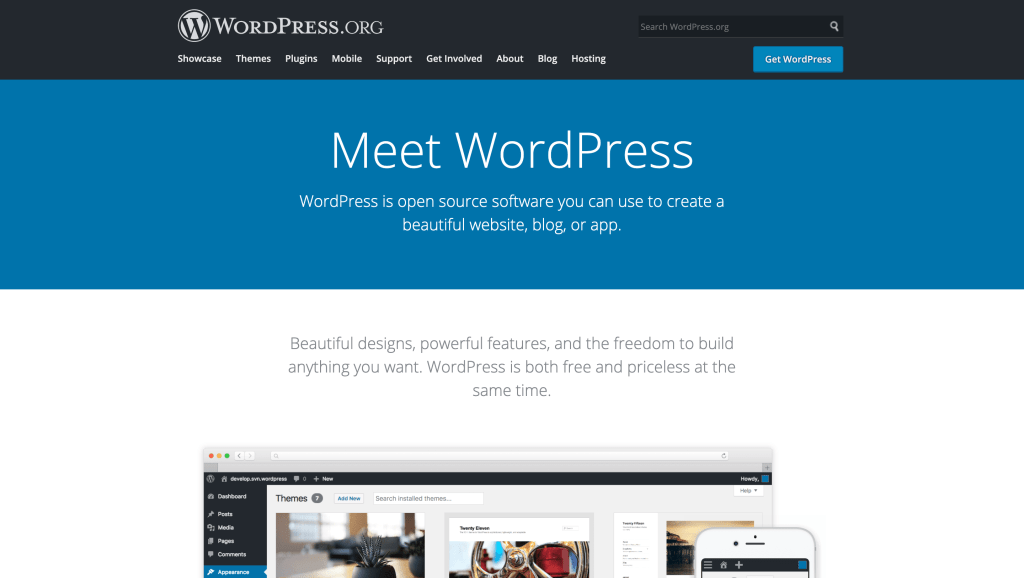
WordPress is known for its amazingly simple and beautiful interface (as many of you have experienced). Setting up a website with WordPress is super easy while it also has all the basic necessities for a beginner.
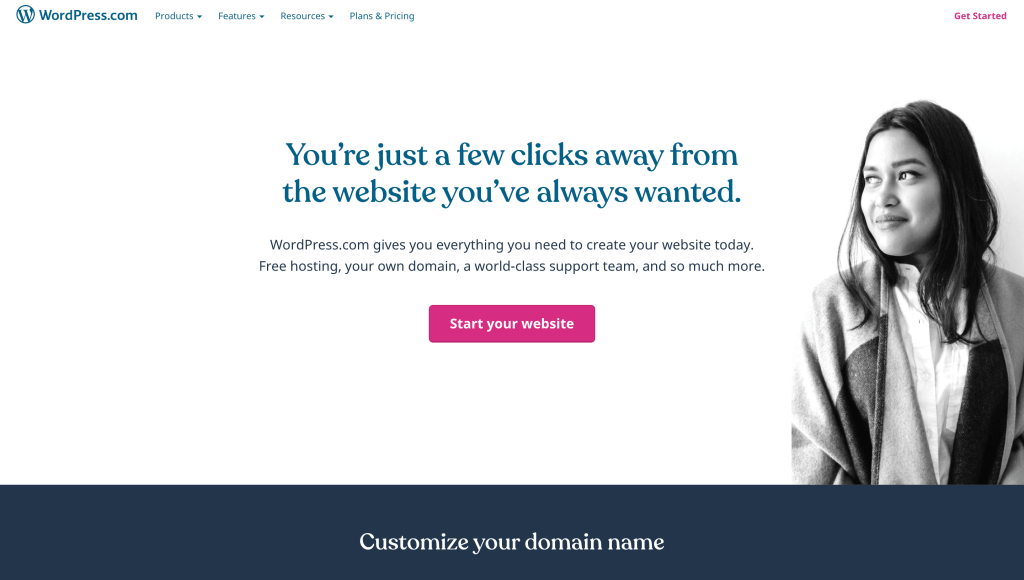

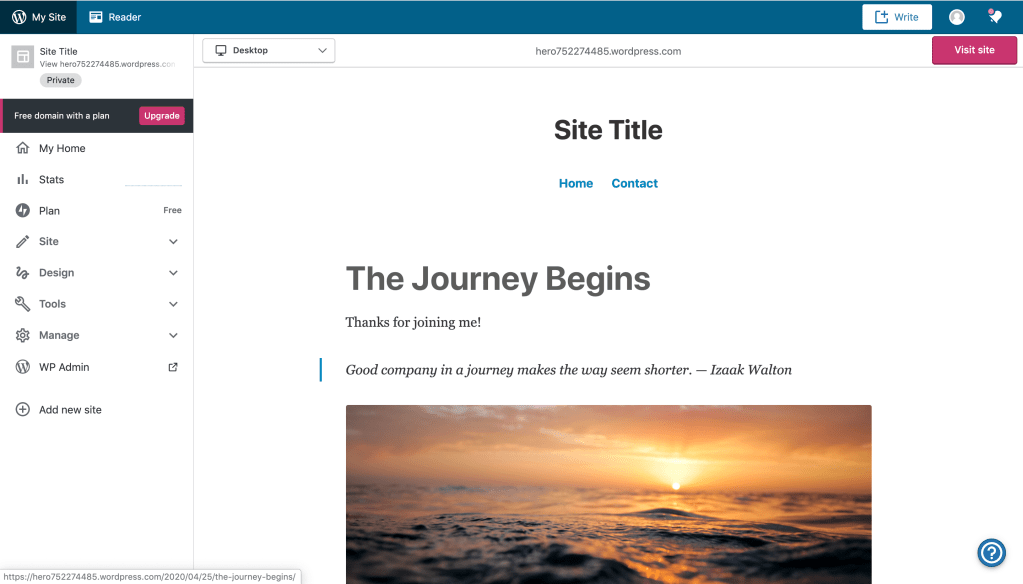
Compared to Drupal and Joomla!, WordPress takes the cake in ease of use. It is a two-step process that does not require any extra work. Unfortunately, you cannot have your cake and eat it too. Because WordPress is foolproof, there is less customization unless you are willing to spend money (or code). But WordPress really does do it all for you, which is why it is one of the most used and popular CMSs out there.
Overall, WordPress is not middle of the road like Joomla! nor the most advanced like Drupal but is the safe and great choice for beginners.
| Pros | Cons |
| Easiest to use/Free | Can be hard to get you want without paying (ie. professional themes and some plugins) |
| Upgrades are easy/Easy to backlink | Slower speeds |
| Great social media integration | All websites look the same/less room for personal flare |
*Drum roll please*
The Winner is…
WordPress!!
For the majority, I think WordPress is the clear winner here. We are all about convenience and WordPress offers just that. Although many end up sacrificing the look and feel of their site, they actually save time setting up and designing it.
WordPress also offers a lot of free plugins and the updates are pain-free.
Don’t get me wrong, Drupal deserves the award for offering the most and gets that A for effort but since there is such a big learning curve, WordPress is the most sensible choice for a beginner.
In conclusion…
Drupal is for the hard-core.
WordPress is for the average joe.
And Joomla! is somewhere in the middle.
If you still want to learn more about the differences between these 3 CMSs then check out this article.
Today I am grateful for extensions cords and coffee.
 Bloggle
Leave a comment